HPV infection acquired through sexual contact
Human papillomavirus spreads through skin-to-skin contact during sexual activity, and most sexually active adults will encounter at least one strain during their lifetime. Most infections clear on their own. The risk that matters is persistent infection with a high-risk type, which can trigger cellular changes in the cervix, anus, throat, or genital skin that, over years, progress toward cancer.
A separate group of HPV types doesn't cause cancer at all but instead causes genital warts, and the 9-valent vaccine is formulated to cover both groups — the high-risk cancer-associated types and the low-risk types responsible for most genital wart cases (MSKCC, HPV vaccine). For a reader deciding whether the vaccine is "worth it" absent a cancer diagnosis in the family, that dual coverage matters: it protects against a common, visible, recurring condition as well as a rarer but more serious one.
The vaccine works by prompting the immune system to build antibodies against nine HPV types before the body ever meets them through sexual contact — it has no effect on an infection someone already has. This is why timing matters more than almost any other factor in how well the vaccine works: it is a prevention tool, not a treatment, and it protects best when given before a person's first sexual exposure to HPV. A cohort study measuring vaccine effectiveness against HPV-related outcomes found consistent reductions in infection and precancerous lesions among people vaccinated before likely exposure, reinforcing that the benefit is largest when the series is completed ahead of sexual debut rather than after (PMC, human papillomavirus vaccine effectiveness).
Because the vaccine prevents new infection rather than clearing an existing one, someone already infected with one HPV type can still benefit — the vaccine can protect against the other eight types they haven't yet acquired. And because the vaccine does not cover every cancer-causing HPV type, vaccination does not replace routine cervical screening; screening remains necessary even for people who completed the series, since it catches the cell changes the vaccine doesn't prevent.
Vaccination is not limited to girls and women. The same 9-valent vaccine is recommended for boys and men, since HPV also causes cancers of the penis, anus, and throat, along with genital warts in men — a point that gets far less attention than the cervical cancer link but is part of the same underlying biology of persistent infection and cellular change (MSKCC, HPV vaccine).
Age at first dose is determined
The number of doses a person needs is set by how old they were when they got their first shot, not by how many they've already had. Starting the series younger generally means fewer total doses because the immune response at that age is strong enough to achieve full protection with two doses instead of three (Marshfield Clinic, HPV vaccine).
| Age at first dose | Doses needed | Spacing |
|---|---|---|
| Younger adolescents | Two | Second dose several months after the first |
| Older adolescents and adults starting later | Three | Doses spread across roughly six months |
People who start the series later, including adults being vaccinated for the first time after the routine adolescent age, generally need the three-dose schedule rather than two (NYP Health Library, HPV vaccine).
Routine vaccination targets younger adolescents, but catch-up vaccination is available well beyond that age, and the vaccine can be given to adults into their mid-twenties and, after a discussion with a clinician about likely benefit, somewhat beyond that. Anyone unsure whether they fall into the routine, catch-up, or shared-decision-making group should raise it directly with their healthcare provider rather than assume they've aged out.
If a dose is missed or delayed, the series does not need to restart from the beginning — the next dose is simply given whenever possible, and the schedule continues from where it left off. What changes is the total protection timeline, since a long gap between doses means full expected protection is reached later than planned. Completing all doses on time, on the other hand, gets a person to full expected protection on the schedule the age-based dosing table sets out.
Injection given
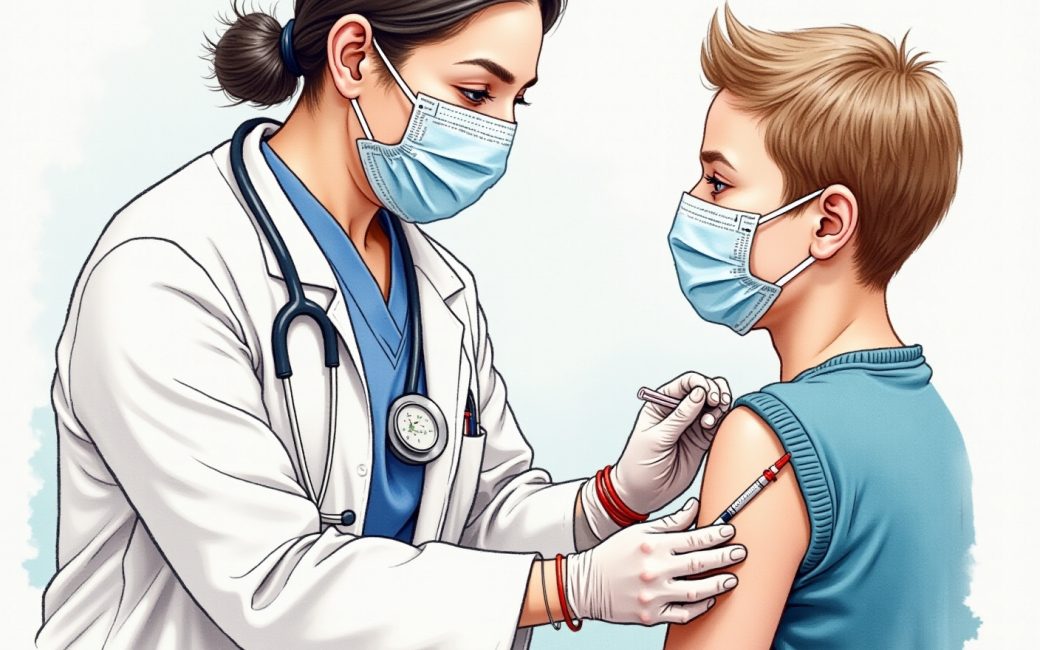
The vaccine is delivered as a shot into the muscle of the upper arm. The most common local reaction is soreness, redness, or swelling at the injection site, but a separate and well-documented systemic reaction — fainting or dizziness, sometimes with brief jerking movements — occurs more often in adolescents than in adults after this vaccine, which is why clinics build a waiting period into the appointment specifically to manage it (Allina Health, HPV vaccine information).
The standard precaution is straightforward:
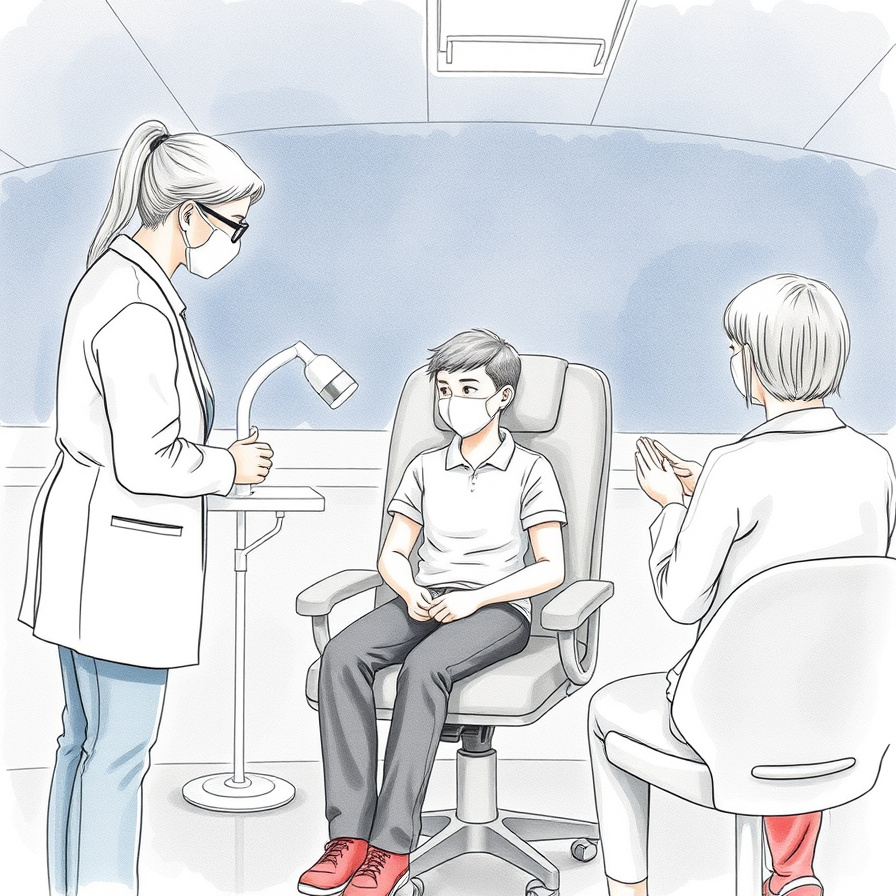
- After the injection, the patient sits or lies down rather than standing or walking immediately.
- Staff observe the patient for a short period before they leave, long enough to catch a fainting episode if one occurs.
- If dizziness or lightheadedness appears, the patient stays seated or lying down until it passes.
The point of this observation window is what can happen after a fainting episode rather than the injection itself — a fall taken while dizzy or unconscious carries its own risk of injury, separate from any effect of the vaccine. Adolescents in particular are advised to remain seated even if they feel fine, since the fainting response can occur with little warning (Advanced OB-GYN, HPV vaccine information).
Reaction appears after a dose
Most reactions after an HPV vaccine dose are mild and short-lived — soreness at the injection site, a low fever, or brief dizziness — and resolve without any specific treatment. The Vaccine Information Statement given before vaccination outlines these expected reactions and what warrants a call to the clinic versus what can be managed at home (NPCMC, VIS for HPV vaccine).
If something more concerning happens — a reaction that seems severe, unusual, or doesn't fit the expected pattern — the first step is to contact the healthcare provider who gave the vaccine. They can assess whether it's related to the vaccine, needs treatment, or should be documented further.
Beyond that immediate medical contact, the Vaccine Information Statement points to a formal reporting path: the provider or the patient can report the event through the Vaccine Adverse Event Reporting System, and anyone who believes they were seriously injured by the vaccine can pursue a claim through the National Vaccine Injury Compensation Program, a route kept separate from adverse-event reporting itself (NPCMC, VIS for HPV vaccine).
These two systems serve different purposes — adverse-event reporting helps monitor vaccine safety at a population level, while the compensation program is where an individual claim of injury is formally reviewed. Neither replaces seeing the healthcare provider first; both exist to give the reaction a documented, trackable path after that initial contact.
Anyone weighing vaccination for themselves or a child — particularly outside the routine adolescent age window — should bring the age-based dosing question and any personal risk factors directly to a healthcare provider before the first dose is given.